

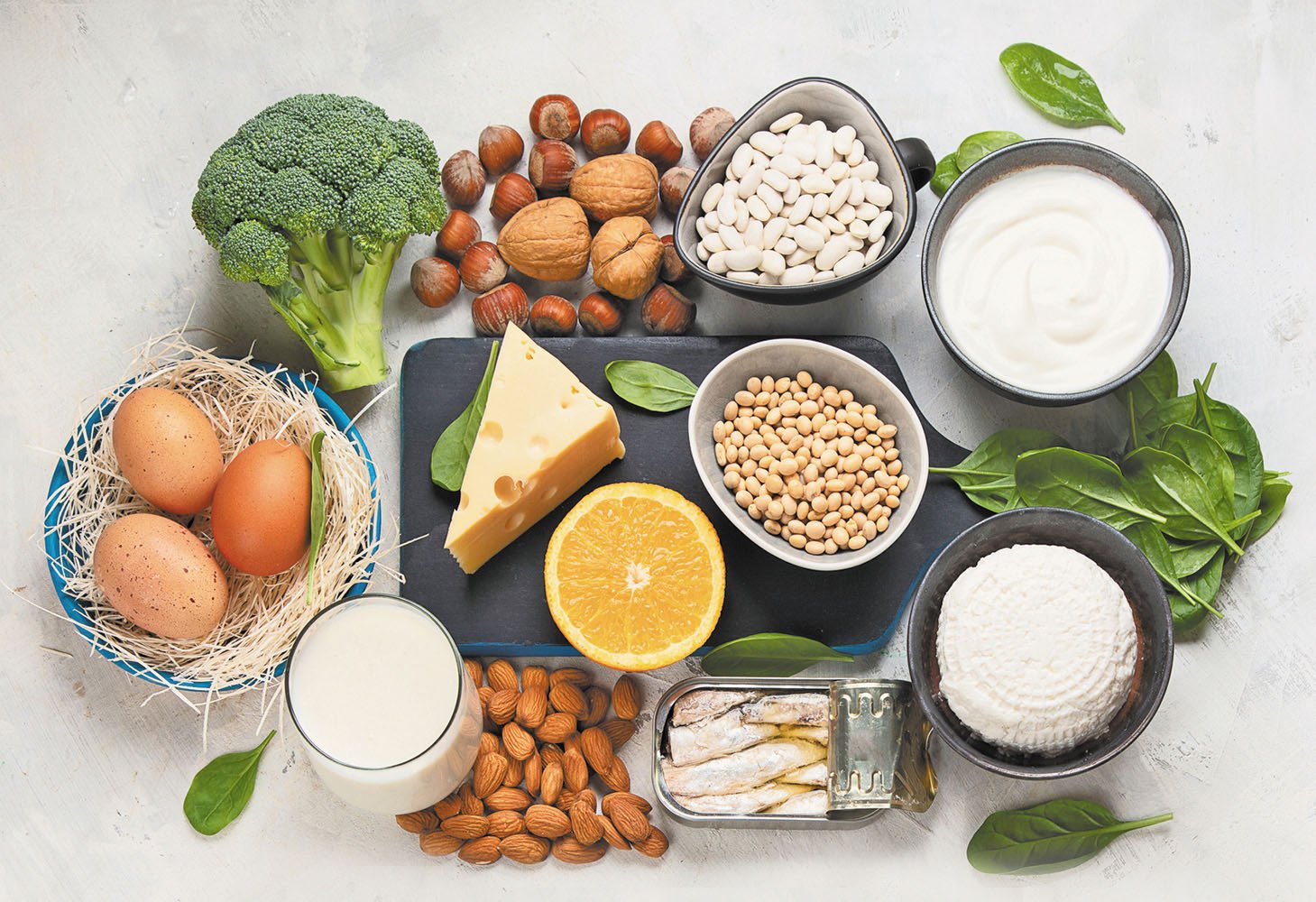
Athletes, whether professional, amateur, or weekend warriors, require proper nutrition to fuel performance, maintain energy, and support recovery. Busy schedules often make it challenging to prepare balanced meals, making quick and easy fitness snacks essential. A well-planned snack provides the right combination of protein, carbohydrates, healthy fats, vitamins, and minerals, helping athletes enhance endurance, improve recovery, and maintain focus throughout the day. Beyond simply curbing hunger, fitness snacks help maintain stable energy levels, prevent muscle breakdown, support immune function, and improve mental performance. For busy athletes, these snacks ensure that caloric and nutrient needs are met even when meal times are irregular or travel and training schedules are hectic.
Importance of Fitness Snacks for Athletes
Fitness snacks are more than just small meals; they are vital tools for optimizing athletic performance. Proper snacking helps maintain energy levels, enhances focus during training, prevents muscle breakdown, and supports immune health. Quick and easy snacks allow athletes to meet their nutritional requirements without having to prepare elaborate meals, which is crucial for those with tight schedules. Regular snacking also helps sustain performance during intense workouts, competitions, or long travel periods, making nutrition a consistent part of an athlete’s routine.
Timing of Fitness Snacks
Timing plays a significant role in the effectiveness of fitness snacks. Pre-workout snacks consumed 30 to 60 minutes before training or competition provide immediate energy and support performance, with options such as bananas with almond butter or oatmeal with berries supplying easily digestible carbohydrates and moderate protein. During longer or more intense workouts, quick-digesting carbohydrates like energy gels, sports drinks, or fruit slices help maintain energy and prevent fatigue. Post-workout snacks, ideally consumed within 30 to 60 minutes after exercise, should contain protein and carbohydrates to aid muscle recovery and replenish glycogen stores, with Greek yogurt, protein shakes with fruit, or cottage cheese being ideal choices. Snacks between meals prevent energy dips, maintain metabolic balance, and keep athletes fueled for consistent performance throughout the day.
Protein-Rich Snacks for Muscle Recovery
Protein is crucial for muscle repair, growth, and recovery. Greek yogurt paired with berries provides protein and antioxidants, while protein shakes made from whey or plant-based powders are convenient and nutrient-dense options.
Hard-boiled eggs are portable, high in protein, and contain essential amino acids, making them perfect for busy athletes. Cottage cheese combined with fruit supplies slow-digesting protein and natural sugars for energy, while nut butter on whole-grain toast offers complex carbohydrates, protein, and healthy fats for sustained performance. Incorporating protein-rich snacks into daily routines supports muscle recovery, reduces soreness, and improves overall performance.
Carbohydrate Snacks for Energy
Carbohydrates are the primary fuel source for athletes. Fresh fruits like bananas, apples, oranges, and grapes provide natural sugars that are rapidly absorbed for quick energy. Energy bars made from whole grains, nuts, and dried fruits deliver a convenient source of carbohydrates, protein, and healthy fats. Instant oatmeal cups and rice cakes with toppings supply sustained energy and fiber, while trail mixes with nuts and dried fruit offer a portable and nutrient-dense carbohydrate option. These carbohydrate-rich snacks ensure that athletes maintain energy levels for training, competition, and daily activities.
Healthy Fats for Sustained Energy
Healthy fats are essential for long-term energy, hormone regulation, and brain function. Nuts and seeds provide protein, essential fatty acids, and energy for extended periods. Avocado spread on whole-grain crackers combines healthy fats and fiber, while single-serving nut butter packets offer portability and convenience. Cheese sticks supply protein, fats, and calcium, and dark chocolate with nuts provides antioxidants and a quick energy boost. Including healthy fats in snacks helps athletes sustain energy throughout the day, supports cellular health, and contributes to overall well-being.
Hydration and Electrolyte Snacks
Maintaining hydration and electrolyte balance is critical, particularly during intense or long-duration activities. Coconut water supplies potassium, magnesium, and natural sugars, while watermelon and other high-water-content fruits offer hydration alongside carbohydrates. Smoothies made with coconut water combine hydration and nutrient density, and fresh vegetables paired with hummus provide water, fiber, and protein. Snacks that support hydration help athletes perform at their best, prevent cramping, and ensure rapid recovery.
Portable and On-the-Go Snacks
Busy athletes benefit from snacks that are easy to carry and consume anytime. Energy balls made from oats, nut butter, honey, and seeds provide compact, nutrient-rich fuel. Trail mix pouches, Greek yogurt cups, string cheese, and fruit pouches are convenient and require minimal preparation. Planning and preparing snacks in advance ensures that athletes always have healthy options available, reducing the temptation to consume processed or low-nutrient foods.
Tips for Preparing Quick and Easy Fitness Snacks
Preparing snacks ahead of time saves time and ensures consistent nutrition. Balancing macronutrients, using fresh ingredients, keeping snacks portable, and monitoring portion sizes are key strategies to maximize the benefits of fitness snacks. Ensuring snacks include carbohydrates, protein, and healthy fats supports sustained energy, aids recovery, and keeps athletes full between meals. Snacks that are simple to prepare, tasty, and nutrient-dense allow athletes to maintain optimal performance even with hectic schedules.
Benefits of Regular Snacking
Regular snacking helps athletes maintain energy, prevents fatigue, enhances training intensity, and supports recovery. Nutrient-dense snacks reduce the reliance on unhealthy processed foods and ensure consistent nutrient intake. By integrating quick and easy snacks into daily routines, athletes improve physical performance, mental focus, and overall health, making them more resilient and better prepared for rigorous training or competition.
Conclusion
Quick and easy fitness snacks are essential for busy athletes to maintain energy, enhance performance, and support recovery. Protein-rich options like Greek yogurt, hard-boiled eggs, and protein shakes aid muscle repair, while carbohydrate-rich snacks such as fruits, energy bars, and oatmeal provide immediate fuel. Healthy fats, hydration-focused snacks, and portable options ensure convenience without sacrificing nutrition.
Proper snacking habits combined with structured training programs allow athletes to optimize performance, prevent fatigue, and recover efficiently. Quick and easy fitness snacks are not only convenient but also strategic tools for physical health, mental focus, and athletic success, helping athletes meet the demands of rigorous schedules while maintaining optimal nutrition and energy levels.