

Introduction to High-Protein Nutrition for an Active Lifestyle
In today’s fast-paced world, athletes and fitness lovers are constantly looking for easy high-protein recipes that support muscle growth, improve workout performance, and speed up recovery. Protein is one of the most important nutrients for anyone who exercises regularly, whether you are lifting weights, running, practicing yoga, or training professionally. A high-protein diet helps build lean muscle, repair tissues, strengthen bones, and keep energy levels stable throughout the day.
Many people believe that eating high-protein meals requires complicated cooking or expensive supplements, but that is not true. With the right ingredients and simple cooking methods, you can prepare delicious and nutritious high-protein recipes at home without stress. Easy high-protein meals save time, reduce unhealthy food cravings, and help you stay consistent with your fitness goals.
This detailed guide focuses on easy high-protein recipes for athletes and fitness lovers, covering breakfast, lunch, snacks, dinner, and post-workout meals. It also explains why protein is important, how much protein you need daily, and how to balance your diet for long-term health and performance.
Why Protein Is Essential for Athletes and Fitness Lovers
Protein plays a vital role in almost every function of the human body. For athletes and fitness enthusiasts, protein is especially important because intense physical activity causes muscle fibers to break down. Protein provides the amino acids needed to repair and rebuild these muscles stronger than before.
High-protein diets help improve muscle recovery, reduce soreness, and lower the risk of injury. Protein also supports hormone production, immune function, and enzyme activity. For people focused on fat loss, protein increases satiety, meaning you feel full for longer, which helps control calorie intake and reduce overeating.
Another major benefit of protein is its thermic effect. The body burns more calories digesting protein compared to carbohydrates and fats. This makes high-protein meals very effective for boosting metabolism and supporting weight management.
Daily Protein Requirements for Active Individuals
The amount of protein required varies depending on body weight, activity level, age, and fitness goals. Sedentary individuals usually need around 0.8 grams of protein per kilogram of body weight. However, athletes and fitness lovers typically need more.
For general fitness and moderate exercise, around 1.2 to 1.6 grams of protein per kilogram of body weight is recommended. Strength trainers, bodybuilders, and endurance athletes may require 1.6 to 2.2 grams per kilogram. Meeting these requirements becomes much easier when you include easy high-protein recipes in your daily meals.
Spreading protein intake evenly across meals helps maximize muscle protein synthesis and improves recovery. Instead of consuming most of your protein in one meal, it is better to include protein-rich foods at breakfast, lunch, dinner, and snacks.
Best High-Protein Food Sources
High-protein foods can be divided into animal-based and plant-based sources. Animal-based protein sources include eggs, chicken breast, turkey, fish, lean beef, milk, yogurt, cheese, and cottage cheese. These foods usually contain complete proteins, meaning they provide all essential amino acids.
Plant-based protein sources include lentils, beans, chickpeas, tofu, tempeh, quinoa, soy products, nuts, and seeds. While some plant proteins are incomplete, combining different plant-based foods can provide a complete amino acid profile.
A balanced high-protein diet can include both types of protein sources depending on personal preference, dietary restrictions, and cultural habits.
Easy High-Protein Breakfast Recipes
High-Protein Egg Omelet with Vegetables
Eggs are one of the best protein-rich foods available. They are affordable, versatile, and packed with essential nutrients. A vegetable omelet made with whole eggs and egg whites is an excellent high-protein breakfast for athletes.
Adding vegetables like spinach, onions, tomatoes, and bell peppers increases fiber and vitamin content. This breakfast supports muscle repair, provides sustained energy, and keeps you full for hours.
Greek Yogurt Bowl with Nuts and Seeds
Greek yogurt is a favorite among fitness lovers because it contains nearly double the protein of regular yogurt. A Greek yogurt bowl topped with almonds, walnuts, chia seeds, and berries makes a quick and nutritious high-protein breakfast.
This meal supports gut health, improves digestion, and provides a mix of protein, healthy fats, and antioxidants. It is also ideal for people who prefer a light but filling breakfast.
High-Protein Smoothie for Busy Mornings
Protein smoothies are perfect for athletes who are short on time. A simple high-protein smoothie can include protein powder, milk or plant-based milk, banana, peanut butter, and oats.
This smoothie works well as a pre-workout or post-workout breakfast. It provides fast-digesting protein, carbohydrates for energy, and healthy fats for satiety.
Easy High-Protein Lunch Recipes
Grilled Chicken Salad for Muscle Growth
Grilled chicken breast is one of the most popular high-protein foods for athletes. A grilled chicken salad with leafy greens, cucumber, tomatoes, olive oil, and lemon juice is both refreshing and filling.
This meal is low in unhealthy fats and high in lean protein, making it ideal for muscle building and fat loss. It also helps maintain energy levels throughout the day.
Lentil and Quinoa Power Bowl
Lentils and quinoa together create a powerful plant-based high-protein meal. Lentils are rich in protein and fiber, while quinoa is a complete protein containing all essential amino acids.
This lunch option is perfect for vegetarian and vegan athletes. Adding vegetables and spices enhances flavor and improves overall nutrition.
Egg and Whole-Grain Wrap
Egg wraps made with whole-grain tortillas are easy to prepare and ideal for meal prep. Eggs provide high-quality protein, while whole grains supply complex carbohydrates for sustained energy.
This lunch is portable, affordable, and perfect for people with busy schedules.
High-Protein Snacks for Energy and Recovery
Roasted Chickpeas for Clean Snacking
Roasted chickpeas are a crunchy and satisfying high-protein snack. They are rich in protein, fiber, and minerals. Roasting chickpeas with spices creates a healthy alternative to processed snacks.
This snack supports muscle recovery and helps control hunger between meals.
Cottage Cheese with Fruits or Nuts
Cottage cheese is low in fat and high in protein, making it a favorite among fitness lovers. It contains casein protein, which digests slowly and provides long-lasting amino acid release.
Eating cottage cheese with fruits or nuts makes it more enjoyable and nutritious.
Homemade Protein Energy Balls
Protein energy balls made with oats, peanut butter, honey, and protein powder are easy to prepare and store. These snacks are perfect for quick energy boosts before or after workouts.
They provide a balanced mix of protein, carbohydrates, and healthy fats.
Easy High-Protein Dinner Recipes
Grilled Fish with Vegetables
Fish like salmon, tuna, and tilapia are excellent sources of high-quality protein and omega-3 fatty acids. Grilled fish paired with vegetables supports muscle recovery and reduces inflammation.
This dinner option is light, nutritious, and easy to digest, making it ideal after intense workouts.
Chicken or Turkey Stir-Fry
A lean meat stir-fry with vegetables is a quick and flavorful high-protein dinner. Using minimal oil and fresh ingredients keeps the meal healthy and balanced.
Stir-fry meals are easy to customize and perfect for adding variety to your diet.
Paneer or Tofu-Based High-Protein Meals
Paneer and tofu are excellent high-protein options for vegetarian athletes. Paneer is rich in protein and calcium, while tofu provides complete plant-based protein.
Cooking them with vegetables and spices creates satisfying meals that support muscle growth and bone health.
Importance of Post-Workout High-Protein Meals
After a workout, the body needs protein to repair muscles and carbohydrates to restore energy. Consuming a high-protein meal after exercise improves recovery and reduces muscle soreness.
Simple post-workout meals include protein smoothies, grilled chicken with rice, eggs with toast, or yogurt with fruits. Timing and consistency are more important than perfection.
Meal Prep Tips for High-Protein Diets
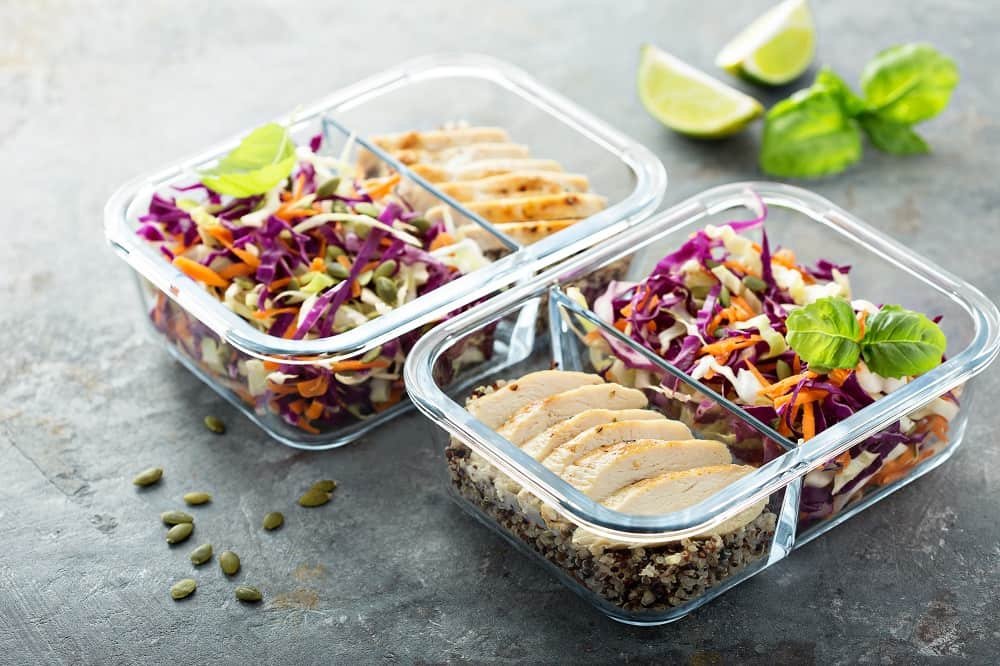
Meal prep makes it easier to stick to a high-protein diet. Cooking protein sources in bulk and storing them properly saves time and reduces reliance on unhealthy foods.
Preparing meals in advance also helps control portion sizes and ensures balanced nutrition throughout the week.
Balancing Protein with Other Nutrients
While protein is important, a healthy diet must also include carbohydrates, healthy fats, vitamins, and minerals. Carbohydrates provide energy for workouts, while fats support hormone production and joint health.
A balanced approach ensures better performance, improved recovery, and long-term health.
Conclusion: Building a Strong Body with Easy High-Protein Recipes
Easy high-protein recipes are essential for athletes and fitness lovers who want to build muscle, improve performance, and stay healthy. From protein-rich breakfasts and lunches to snacks, dinners, and post-workout meals, simple and nutritious options are available for every lifestyle.
By focusing on quality protein sources, balanced meals, and consistency, anyone can achieve their fitness goals more effectively. A well-planned high-protein diet supports strength, endurance, recovery, and overall well-being, making it a powerful tool for an active and energetic life.