

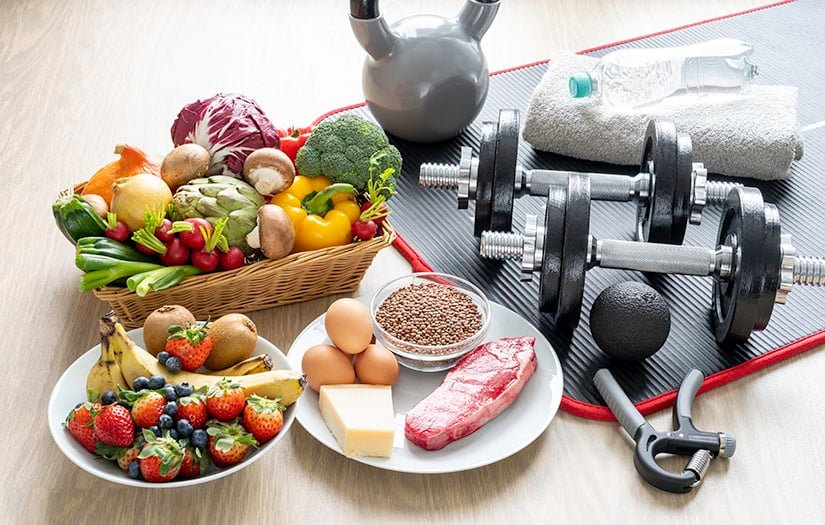
Starting a fitness journey or entering the world of sports can be exciting, motivating, and sometimes confusing. Beginners often focus heavily on workouts, training plans, and exercise techniques, but one of the most important factors that determines progress and long-term success is nutrition. Sports nutrition is the foundation that fuels the body, supports performance, enhances recovery, and prevents injuries. Without proper nutrition, even the best training programs fail to deliver results.
For beginners, sports nutrition does not need to be complicated or expensive. It is about understanding how food works in the body, choosing the right nutrients at the right time, and building sustainable eating habits. Whether your goal is to build muscle, lose fat, improve endurance, or simply stay active and healthy, learning essential sports nutrition tips will help you perform better and feel stronger every day.
Understanding Sports Nutrition Basics
Sports nutrition focuses on providing the body with the nutrients it needs to support physical activity, recovery, and overall health. When you exercise, your body uses energy, breaks down muscle tissue, and loses fluids and minerals through sweat. Proper nutrition helps replace these losses and prepares the body for future workouts.
Beginners often make the mistake of eating too little or relying on processed foods. Balanced sports nutrition emphasizes whole foods, adequate calories, and a mix of carbohydrates, proteins, fats, vitamins, and minerals. Understanding these basics is the first step toward building a strong nutritional foundation.
Importance of Carbohydrates in Sports Nutrition
Carbohydrates are the primary source of energy for the body, especially during physical activity. When you eat carbohydrates, they are broken down into glucose, which is stored as glycogen in the muscles and liver. This glycogen is used as fuel during workouts and sports activities.
For beginners, consuming enough carbohydrates is essential to prevent fatigue, weakness, and low energy levels. Whole grains, fruits, vegetables, legumes, and oats are excellent sources of complex carbohydrates that provide steady energy and support endurance. Avoiding carbohydrates completely can negatively affect performance and recovery.
Role of Protein in Muscle Growth and Recovery
Protein is one of the most important nutrients in sports nutrition, particularly for beginners who are adapting to new training routines. During exercise, muscles experience small tears, and protein helps repair and rebuild these fibers, leading to muscle growth and strength.
Beginners should aim to include protein in every meal. Good protein sources include eggs, milk, yogurt, chicken, fish, lean meat, beans, lentils, tofu, and nuts. Consistent protein intake supports muscle recovery, reduces soreness, and helps prevent muscle loss during weight training or intense workouts.
Healthy Fats and Their Importance for Beginners
Fats are often misunderstood in sports nutrition, but they play a crucial role in hormone production, joint health, and long-lasting energy. Healthy fats support overall health and help the body absorb fat-soluble vitamins.
Beginners should focus on consuming healthy fats from sources such as nuts, seeds, avocados, olive oil, and fatty fish. These fats provide sustained energy and help reduce inflammation, which is beneficial for recovery and injury prevention.
Hydration and Sports Performance
Hydration is a critical part of sports nutrition that beginners often overlook. Water is essential for regulating body temperature, transporting nutrients, and maintaining muscle function. Even mild dehydration can reduce performance, concentration, and endurance.
Beginners should develop the habit of drinking water regularly throughout the day, not just during workouts. Proper hydration supports energy levels, prevents muscle cramps, and improves recovery. Including water-rich foods such as fruits and vegetables also contributes to overall hydration.
Pre-Workout Nutrition Tips for Beginners
Pre-workout nutrition prepares the body for exercise by providing energy and preventing fatigue. Beginners should focus on eating a balanced meal or snack that includes carbohydrates and some protein before training.
Simple pre-workout meals such as oatmeal with fruit, whole grain toast with peanut butter, or a banana with yogurt can provide the necessary energy for workouts. Eating too close to exercise or consuming heavy, fatty foods may cause discomfort, so timing and food choice are important.
Post-Workout Nutrition and Recovery
Post-workout nutrition is essential for muscle recovery and replenishing energy stores. After exercise, the body is more receptive to nutrients, making this an ideal time to consume carbohydrates and protein.
Beginners can benefit from post-workout meals such as rice with vegetables and chicken, a protein smoothie with fruits, or yogurt with nuts. Proper post-workout nutrition reduces muscle soreness, speeds up recovery, and prepares the body for the next training session.
Meal Timing for Beginners in Sports Nutrition
Meal timing plays an important role in sports nutrition, especially for beginners adjusting to regular physical activity. Eating consistent meals throughout the day helps maintain energy levels and prevents overeating.
Beginners should avoid skipping meals, as this can lead to low energy and poor workout performance. Eating smaller, balanced meals every few hours supports metabolism, muscle repair, and overall health.
Importance of Micronutrients in Sports Nutrition
Micronutrients such as vitamins and minerals are essential for athletic performance, even though they are needed in smaller amounts. Calcium supports bone health, iron helps transport oxygen, magnesium supports muscle function, and potassium prevents cramps.
Beginners should focus on eating a variety of fruits, vegetables, whole grains, and lean proteins to meet their micronutrient needs. A colorful diet ensures adequate intake of essential vitamins and minerals.
Common Sports Nutrition Mistakes Beginners Make
One common mistake beginners make is relying too much on supplements instead of real food. While supplements can be helpful in some cases, they should not replace a balanced diet.
Another mistake is under-eating or over-restricting calories. Beginners often believe eating less will lead to faster results, but inadequate nutrition can slow progress, reduce energy, and increase injury risk. Proper sports nutrition supports sustainable progress and long-term success.
Sports Supplements and Beginners
Supplements are not mandatory for beginners. Most nutritional needs can be met through whole foods. However, some beginners may choose basic supplements such as protein powder for convenience.
It is important to understand that supplements are meant to complement, not replace, a healthy diet. Beginners should prioritize food quality and consistency before considering advanced sports supplements.
Nutrition for Different Fitness Goals
Beginners may have different fitness goals, such as weight loss, muscle gain, or improved endurance. Sports nutrition should be adjusted according to these goals.
For weight loss, beginners should focus on nutrient-dense foods and balanced meals. For muscle gain, adequate protein and calories are essential. For endurance, carbohydrates and hydration play a key role. Understanding your goal helps you choose the right nutrition strategy.
Building Healthy Eating Habits as a Beginner
Consistency is more important than perfection in sports nutrition. Beginners should focus on building sustainable eating habits that can be maintained long-term.
Cooking at home, planning meals, and choosing whole foods help establish a strong nutritional foundation. Avoiding extreme diets and focusing on balance leads to better results and improved health.
Importance of Rest and Nutrition Together
Nutrition works best when combined with proper rest and sleep. During sleep, the body repairs muscles and restores energy levels. Without adequate rest, even the best nutrition plan may not deliver optimal results.
Beginners should prioritize sleep, hydration, and balanced nutrition to support recovery and performance. These three elements work together to create a healthy and active lifestyle.
Sports Nutrition for Active Lifestyle and Daily Fitness
Sports nutrition is not only for athletes or gym-goers. Anyone with an active lifestyle can benefit from proper nutrition. Balanced meals improve energy, focus, and overall well-being.
Beginners who adopt sports nutrition principles often notice improvements in mood, stamina, and daily productivity. Proper nutrition supports both physical performance and mental health.
Long-Term Benefits of Sports Nutrition for Beginners
Developing good sports nutrition habits early provides long-term benefits such as improved body composition, stronger muscles, better immunity, and reduced injury risk. Beginners who learn proper nutrition build a solid foundation for lifelong fitness.
Sports nutrition also supports healthy aging, cardiovascular health, and metabolic efficiency. Making smart nutrition choices today leads to better health outcomes in the future.
Final Thoughts on Essential Sports Nutrition Tips for Beginners
Sports nutrition is a powerful tool that helps beginners unlock their full potential. Understanding the importance of carbohydrates, protein, healthy fats, hydration, and meal timing allows beginners to train harder, recover faster, and stay consistent.
The journey into fitness and sports does not require complicated diets or expensive supplements. Simple, balanced, and consistent nutrition choices make the biggest difference. By following essential sports nutrition tips for beginners, you can build strength, improve performance, and create a healthy, active lifestyle that lasts.