

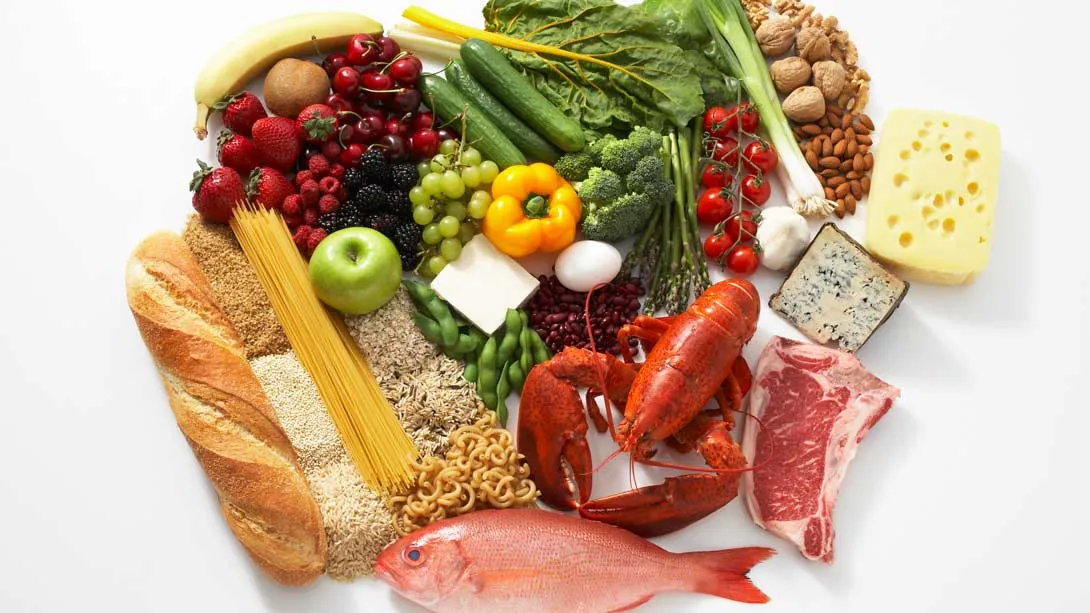
Protein is an essential macronutrient for muscle growth, recovery, and overall health. Athletes, fitness enthusiasts, and individuals seeking to improve body composition rely on high-protein snacks to fuel workouts, support muscle synthesis, and accelerate recovery after exercise. High-protein snacks provide amino acids, the building blocks of muscles, and help repair tissue damage caused by intense physical activity. Including protein-rich foods between meals also helps maintain energy levels, reduce muscle soreness, and support metabolic health. This comprehensive guide explores the benefits of high-protein snacks, top snack options, their nutritional profiles, and practical tips to incorporate them into your daily routine to build muscle and recover faster.
Why High-Protein Snacks Are Essential
High-protein snacks play a crucial role in maintaining a positive nitrogen balance, which is necessary for muscle growth and repair. Consuming protein shortly after a workout stimulates muscle protein synthesis, helping athletes recover faster and reduce delayed onset muscle soreness (DOMS). Snacks containing 15 to 30 grams of protein per serving are generally effective for supporting muscle recovery. In addition, high-protein snacks help regulate appetite, prevent overeating, and improve satiety, making them valuable for weight management. By strategically consuming protein throughout the day, individuals can enhance muscle development, support athletic performance, and optimize overall health.
Types of Protein for Muscle Building
Understanding the different types of protein is essential when selecting high-protein snacks. Complete proteins, such as whey, casein, eggs, and soy, provide all essential amino acids required for muscle repair. Whey protein, derived from milk, is rapidly absorbed and ideal for post-workout recovery. Casein protein digests slowly, providing a sustained release of amino acids, making it suitable for evening snacks or bedtime consumption. Plant-based proteins, including pea, hemp, and brown rice protein, are excellent options for vegetarians and vegans. Combining plant proteins from different sources ensures a complete amino acid profile. Choosing snacks that include high-quality protein ensures optimal muscle growth and recovery.
Benefits of High-Protein Snacks for Recovery
High-protein snacks provide numerous benefits for post-exercise recovery. They help repair damaged muscle fibers, replenish glycogen stores when paired with carbohydrates, and reduce inflammation. Protein also supports the immune system, which can be temporarily suppressed after intense training. Consuming snacks rich in protein within 30 to 60 minutes after exercise is ideal for maximizing muscle protein synthesis. Additionally, protein-rich snacks help maintain lean body mass during calorie-restricted periods, prevent muscle breakdown, and improve overall body composition. Athletes and fitness enthusiasts who prioritize high-protein snacks experience faster recovery, reduced fatigue, and improved performance in subsequent workouts.
Top High-Protein Snack Options
Greek Yogurt with Nuts and Berries
Greek yogurt is an excellent source of protein, probiotics, and calcium. Combining it with nuts such as almonds or walnuts adds healthy fats and additional protein, while berries provide antioxidants and vitamins. This snack supports muscle repair, enhances digestion, and provides sustained energy. A serving of Greek yogurt with a handful of nuts and berries typically contains 15 to 20 grams of protein, making it an ideal post-workout option.
Protein Shakes and Smoothies
Protein shakes and smoothies are convenient, customizable, and effective for muscle recovery. Using whey, casein, or plant-based protein powders, you can create shakes with milk, almond milk, or water, adding fruits, oats, or nut butter for flavor and nutrients. Protein shakes are quickly absorbed, making them perfect immediately after training. Adding a banana or berries helps replenish glycogen, while protein powder provides the amino acids necessary for muscle repair.
Cottage Cheese with Fruit or Seeds
Cottage cheese is rich in casein protein, which digests slowly and supports overnight muscle recovery. Pairing cottage cheese with fruit, such as pineapple or berries, or seeds like chia and flax provides additional nutrients, fiber, and antioxidants. A serving of cottage cheese contains approximately 15 to 18 grams of protein, making it a perfect evening snack to sustain muscle protein synthesis during sleep.
Hard-Boiled Eggs
Hard-boiled eggs are portable, nutrient-dense snacks that provide complete protein and essential amino acids. Each egg contains about 6 grams of protein, along with vitamins, minerals, and healthy fats. They are ideal for on-the-go snacks or as part of a meal to support muscle repair. Combining eggs with whole-grain crackers or vegetables enhances the nutritional value and provides sustained energy.
Beef Jerky or Turkey Jerky
Lean beef or turkey jerky is a high-protein, low-fat snack suitable for muscle building. Jerky is rich in protein, iron, and B vitamins, which support energy production and recovery. Choosing low-sodium, preservative-free options ensures maximum health benefits. A typical serving of jerky provides 10 to 15 grams of protein, making it a convenient snack for athletes or busy individuals.
Nut Butter with Whole-Grain Toast or Apple Slices
Nut butters, such as almond or peanut butter, provide protein, healthy fats, and energy. Pairing them with whole-grain toast or apple slices creates a balanced snack that supports muscle recovery and satiety. A tablespoon of nut butter contains approximately 4 to 7 grams of protein, while whole grains or fruit provide additional nutrients and carbohydrates for glycogen replenishment.
Protein Bars
Protein bars are convenient, portable, and specifically designed to provide high protein content. They are ideal for pre- or post-workout consumption, depending on the carbohydrate and protein ratio. Selecting bars with minimal added sugars, high-quality protein sources, and natural ingredients ensures optimal benefits for muscle building and recovery. Protein bars typically contain 15 to 25 grams of protein per serving.
Edamame and Roasted Chickpeas
Plant-based options like edamame and roasted chickpeas are rich in protein, fiber, and essential minerals. Edamame provides complete plant protein, while roasted chickpeas offer a crunchy, flavorful alternative. These snacks are ideal for vegetarians and vegans seeking high-protein options to support muscle growth. A serving of edamame or roasted chickpeas contains approximately 12 to 15 grams of protein.
Hummus with Vegetables or Whole-Grain Crackers
Hummus, made from chickpeas and tahini, is a protein-rich snack that pairs well with vegetables or whole-grain crackers. This combination provides amino acids, fiber, and micronutrients necessary for recovery. Hummus contains approximately 5 grams of protein per 100 grams, and pairing it with other protein sources or complex carbohydrates enhances its muscle-rebuilding benefits.
Timing of Protein Snacks
Timing is a critical factor in maximizing the benefits of high-protein snacks for muscle growth and recovery. Consuming protein within 30 to 60 minutes after exercise helps stimulate muscle protein synthesis and reduces muscle breakdown. Pre-workout snacks containing moderate protein and carbohydrates support energy levels and enhance performance. Evening snacks with slow-digesting proteins, such as cottage cheese or casein shakes, sustain amino acid availability during sleep. By strategically timing high-protein snacks around workouts, athletes can optimize muscle repair, prevent fatigue, and support long-term strength development.
Combining Protein with Carbohydrates and Healthy Fats
For optimal muscle recovery, pairing protein with carbohydrates and healthy fats is essential. Carbohydrates replenish glycogen stores depleted during exercise, while protein supports muscle repair. Healthy fats, such as those found in nuts, seeds, and avocado, provide energy and support hormone regulation. Balanced snacks like Greek yogurt with granola, protein smoothies with fruit, or nut butter with whole-grain toast ensure a complete nutrient profile for effective recovery and muscle building.
Hydration and High-Protein Snacks
Hydration plays a vital role in muscle recovery, and combining protein snacks with adequate fluid intake enhances overall benefits. Water, electrolyte beverages, and milk-based shakes contribute to hydration, support nutrient absorption, and improve exercise performance. Dehydration can impair protein metabolism, delay recovery, and reduce muscle function. Consuming high-protein snacks alongside proper hydration ensures optimal recovery, reduces soreness, and supports overall athletic performance.
Benefits Beyond Muscle Building
High-protein snacks offer benefits beyond muscle growth and recovery. They support immune function, maintain healthy skin, hair, and nails, regulate appetite, and promote metabolic health. Protein-rich diets can help with weight management by increasing satiety and reducing cravings. Additionally, incorporating diverse protein sources ensures a range of essential amino acids, vitamins, and minerals necessary for overall health. By making high-protein snacks a part of a balanced diet, individuals can achieve multiple health benefits while supporting athletic performance.
Tips for Incorporating High-Protein Snacks into Your Routine
- Plan snacks around workouts for maximum recovery benefits.
- Choose high-quality protein sources, including whey, casein, eggs, lean meats, and plant-based proteins.
- Prepare snacks in advance for convenience and consistency.
- Combine protein with complex carbohydrates and healthy fats for balanced nutrition.
- Monitor portion sizes to align with your fitness goals and caloric needs.
- Experiment with variety to prevent monotony and ensure a diverse nutrient intake.
- Prioritize whole-food sources alongside supplements for comprehensive nutrition.
Conclusion: Fueling Muscle Growth and Recovery
High-protein snacks are essential for athletes, fitness enthusiasts, and individuals aiming to build muscle and recover faster. They provide the necessary amino acids for muscle repair, support glycogen replenishment, reduce soreness, and improve overall performance. From Greek yogurt with nuts and berries to protein shakes, cottage cheese, eggs, jerky, nut butter, and plant-based options, there is a wide range of snacks suitable for different dietary preferences and lifestyles.
Timing, nutrient balance, and hydration enhance the benefits of these snacks, ensuring that muscles recover efficiently and growth is maximized. Incorporating high-protein snacks into your daily routine not only supports athletic performance but also contributes to overall health, energy, and well-being, making them a cornerstone of any fitness or recovery plan.