

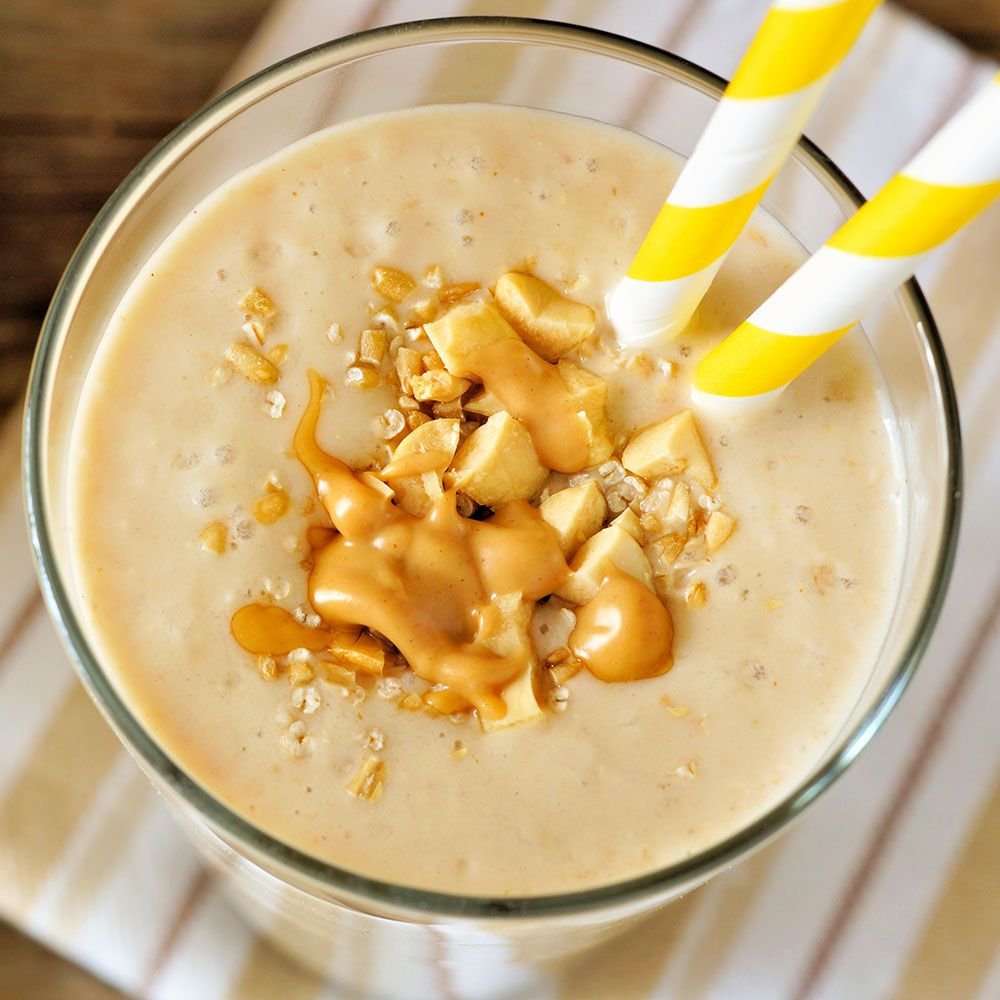
The Strategic Role of Snacking in Athletic Nutrition
For fitness enthusiasts, snacks are not merely between-meal indulgences or hunger satisfiers but strategic opportunities to fuel performance, support recovery, and maintain energy levels throughout demanding training days. The concept of snacking takes on particular importance for active individuals whose energy expenditure exceeds sedentary norms, creating nutritional demands that three daily meals may struggle to meet. Well-timed, appropriately composed snacks bridge the gaps between meals, preventing the energy crashes that compromise workout quality and the extreme hunger that leads to overeating at subsequent meals. For athletes managing weight or body composition goals, the challenge lies in obtaining adequate nutrition for performance while maintaining appropriate calorie intake, a balance that low-calorie snacks specifically address. These snacks provide the nutrients active bodies need, protein for muscle repair, carbohydrates for glycogen replenishment, and micronutrients for recovery, without the calorie surplus that would undermine body composition objectives. The best low-calorie snacks for fitness enthusiasts share common characteristics: they are nutrient-dense rather than merely calorie-dense, they combine protein and fiber for sustained satiety, they are portable and convenient for busy training schedules, and they actually taste good enough that you’ll choose them consistently over less nutritious alternatives. This guide explores the full spectrum of low-calorie snack options suitable for various training contexts, from pre-workout fuel to post-workout recovery to between-meal hunger management.
Understanding the Timing of Snacks Around Training
The relationship between snack timing and exercise performance follows principles that maximize benefit while minimizing digestive discomfort, making when you eat as important as what you eat. Pre-workout snacks consumed approximately thirty to sixty minutes before exercise provide readily available energy that can enhance performance, particularly for morning workouts following overnight fasting. These snacks should emphasize easily digestible carbohydrates that convert quickly to glucose, with minimal fat and fiber that would slow digestion and potentially cause gastrointestinal distress during activity. A banana, a small apple, or a rice cake with a thin layer of jam exemplifies effective pre-workout fuel that provides energy without heaviness. Post-workout snacks consumed within the thirty to sixty minute window after exercise, often called the metabolic window, take advantage of heightened muscle sensitivity to nutrient uptake for glycogen replenishment and muscle protein synthesis.
These snacks should combine protein for repair with carbohydrates for glycogen restoration, such as Greek yogurt with berries or chocolate milk, which has emerged as an effective recovery beverage. Between-meal snacks, consumed when the gap between meals exceeds four to five hours, prevent the energy dips and hunger that lead to poor food choices later. These snacks should combine protein, fiber, and healthy fats for sustained satiety, such as vegetables with hummus or an apple with a small amount of nut butter. Understanding these timing distinctions allows fitness enthusiasts to select snacks appropriate to their immediate needs rather than applying a one-size-fits-all approach.
High-Protein, Low-Calorie Options
Protein stands as the most satiating macronutrient while also being essential for muscle repair and maintenance, making high-protein snacks particularly valuable for fitness enthusiasts managing calorie intake. Greek yogurt deserves its reputation as a fitness staple, with non-fat plain varieties delivering approximately fifteen to twenty grams of protein per serving for around one hundred calories, while also providing calcium and probiotics for bone and digestive health . Adding berries, a sprinkle of cinnamon, or a small amount of vanilla extract provides flavor without significant calorie addition. Cottage cheese offers similar protein density with a different texture profile, with low-fat versions providing about fourteen grams of protein per half-cup serving for approximately ninety calories . Its versatility allows both sweet preparations with fruit and savory combinations with black pepper or sliced vegetables. Hard-boiled eggs, prepared in batches and kept refrigerated, provide portable protein with about six grams per egg for only seventy calories, with the fat content of the yolk contributing to satiety that egg whites alone cannot match .
For those who prefer liquid nutrition, protein shakes made with water or unsweetened almond milk and a high-quality protein powder deliver twenty to thirty grams of protein for around one hundred to one hundred fifty calories, with the convenience of near-instant preparation. Turkey or chicken breast slices rolled around cucumber sticks or bell pepper strips create satisfying roll-ups that combine protein with vegetable crunch for minimal calories. Edamame, steamed and lightly salted, provides plant-based protein and fiber for about one hundred twenty calories per half-cup, making it an excellent option for vegetarian athletes .
Vegetable-Based Snacks for Volume and Nutrients
Vegetables offer the unique advantage of providing substantial volume and satisfying crunch for minimal caloric investment, making them ideal bases for low-calorie snacking that fills the stomach without filling out the waistline. Raw vegetable sticks including celery, cucumber, bell peppers, carrots, and snap peas provide the satisfying experience of eating while delivering fiber, water, and micronutrients for negligible calories . The key to sustainable vegetable snacking lies in having these options pre-cut and readily accessible in the refrigerator, removing the preparation barrier that often leads to choosing less nutritious alternatives when hunger strikes. Paired with carefully portioned dips, vegetables transform from simple produce into satisfying snacks. Hummus, made from chickpeas, tahini, and olive oil, provides protein and healthy fats, with two tablespoons adding approximately seventy calories to a generous vegetable plate .
Greek yogurt-based dips, easily made by mixing plain yogurt with herbs, garlic powder, or ranch seasoning, offer the creamy satisfaction of traditional dips with significantly higher protein and lower calories. Guacamole, when prepared with reasonable avocado portions and plenty of lime and cilantro, provides healthy fats and flavor for dipping vegetables, with careful portioning ensuring calorie control. Roasted vegetable snacks including kale chips, made by tossing kale leaves with minimal oil and salt and baking until crisp, satisfy chip cravings with a fraction of the calories. Roasted chickpeas, tossed with spices and baked until crunchy, provide protein and fiber in a portable, snackable form at approximately one hundred twenty calories per half-cup . These vegetable-based options leverage the natural low-calorie density of produce while adding enough flavor and satisfaction to compete with processed snacks.
Fruit-Based Options for Natural Sweetness
Whole fruits offer nature’s perfect packaging for satisfying sweet cravings while providing fiber, water, vitamins, and antioxidants that processed sweets completely lack, making them essential components of a healthy snacking strategy. Berries of all varieties, strawberries, blueberries, raspberries, and blackberries, deliver exceptional antioxidant content for minimal calories, with an entire cup of strawberries containing approximately fifty calories . Their natural sweetness satisfies dessert cravings while their fiber content slows sugar absorption, preventing the blood sugar spikes that can leave you craving more sweets later. Apples, particularly when eaten with the fiber-rich skin, provide satisfying crunch and about ninety-five calories for a medium fruit, with the pectin fiber promoting satiety that extends through to the next meal . Pairing apple slices with a small amount of peanut butter or almond butter, limited to one tablespoon at approximately one hundred calories, creates a balanced snack combining carbohydrate with protein and healthy fat. Bananas serve as ideal pre-workout fuel, with their easily digestible carbohydrates providing quick energy and their potassium content supporting muscle function and preventing cramps . A medium banana contains approximately one hundred five calories, making it a substantial snack that can also serve as the base for frozen banana “nice cream” when blended with a small amount of milk and frozen berries. Oranges and grapefruit provide vitamin C along with hydration, their juicy segments satisfying both hunger and thirst for around sixty to eighty calories per fruit. Frozen grapes offer a sweet, cold treat reminiscent of mini popsicles for about sixty calories per cup, perfect for post-workout cooling on hot days. Dried fruit requires careful portioning due to its concentrated sugar and calorie content, but small amounts of dates, raisins, or apricots can satisfy intense sweet cravings with minimal volume.
Shelf-Stable Options for Gym Bags and Desks
The practicality of snack choices matters enormously for consistent execution, with shelf-stable options that can live in gym bags, desk drawers, and car consoles removing the excuse of being unprepared when hunger strikes. Protein bars vary enormously in quality, with the best options containing recognizable ingredients, at least ten grams of protein, and minimal added sugar, typically ranging from one hundred fifty to two hundred calories per bar . Reading labels proves essential, as many bars marketed as healthy contain as much sugar as candy bars. Single-serve pouches of tuna or salmon provide shelf-stable protein at around seventy to one hundred calories per pouch, requiring no refrigeration until opened and pairing well with whole grain crackers for a more substantial snack . Rice cakes, particularly when chosen in whole grain varieties, offer a crisp, satisfying base for toppings at approximately thirty-five to sixty calories per cake, with infinite topping combinations preventing boredom . Single-serve cups of unsweetened applesauce provide the sweetness of fruit in a convenient package at around fifty to one hundred calories depending on size, with no refrigeration required until opening. Nuts and seeds, while calorie-dense due to their fat content, provide healthy fats, protein, and minerals that support athletic performance, with careful portioning being the key to including them in a low-calorie snacking strategy . Pre-portioned one-ounce bags or small containers limit consumption to approximately one hundred sixty to one hundred ninety calories while providing the satisfaction and nutrition that nuts offer. Beef or turkey jerky, when chosen from brands with minimal added sugar and artificial ingredients, provides portable protein at around eighty to one hundred calories per ounce, with the chewy texture providing extended eating experience . Roasted seaweed snacks satisfy savory, salty cravings for as few as thirty to fifty calories per package, delivering minerals and iodine while providing the crisp texture many snackers crave.
Hydrating Snacks for Fluid Balance
Fitness enthusiasts face elevated fluid needs due to sweat losses during exercise, and snacks that contribute to hydration alongside nutrition serve dual purposes that support both performance and recovery. Watermelon, composed of over ninety percent water, provides hydration along with the antioxidant lycopene and natural sweetness, with a generous two-cup serving containing only about eighty calories . The refreshing quality of watermelon makes it particularly appealing post-workout when thirst and hunger often coincide. Cucumber slices, whether eaten plain or with a small amount of vinegar and dill, provide hydration with minimal calories, with an entire cucumber containing approximately forty-five calories . Adding cucumber to water with lemon and mint creates infused water that encourages fluid intake without added calories. Celery sticks, also over ninety percent water, provide the satisfying crunch many snackers crave for approximately fifteen calories per large stalk, with the bonus of containing natural sodium that can help replace electrolyte losses after sweaty workouts . Bell pepper slices, particularly the sweeter red, orange, and yellow varieties, provide vitamin C alongside hydration for about thirty to forty calories per pepper. Homemade electrolyte drinks made by adding a pinch of salt and a squeeze of citrus to water provide hydration support without the sugar and artificial ingredients of commercial sports drinks . Cold herbal teas, whether brewed in advance and refrigerated or steeped as iced tea, provide flavorful hydration without calories, with varieties like peppermint providing refreshing coolness and hibiscus offering tart satisfaction. These hydrating snacks prove particularly valuable during hot weather training and for athletes who struggle to drink adequate water throughout the day.
Pre-Bed Snacks That Support Overnight Recovery
Evening snacking presents unique considerations for fitness enthusiasts, as choices made before bed can either support overnight recovery and muscle building or contribute to poor sleep and fat storage. The ideal pre-bed snack provides slow-digesting protein that sustains amino acid availability throughout the night, supporting the muscle repair and growth that occurs primarily during sleep. Cottage cheese has emerged as a research-supported pre-bed snack due to its casein protein content, which digests slowly and provides steady amino acid release over several hours . A half-cup serving contains approximately ninety calories and fourteen grams of protein, making it an effective recovery aid without excessive calories. Greek yogurt offers similar benefits with slightly different protein dynamics, providing around fifteen grams of protein per serving for approximately one hundred calories . Adding a small handful of berries provides antioxidants that may support overnight recovery processes. A small glass of milk, whether dairy or unsweetened soy milk, provides tryptophan, an amino acid precursor to sleep-promoting melatonin, along with protein for muscle support at around one hundred calories per cup .
Warm milk with a sprinkle of cinnamon creates a soothing bedtime ritual that signals the body to prepare for sleep. Turkey slices rolled around cucumber provide lean protein without significant fat that might disrupt sleep, at approximately fifty to seventy calories per two-ounce serving . The tryptophan content of turkey adds potential sleep-promoting effects to its protein contribution. A small apple with a single tablespoon of almond butter combines slow-digesting fiber from the apple with protein and healthy fat from the nut butter, creating satiety that prevents middle-of-the-night hunger at approximately one hundred fifty calories total . These pre-bed snacks support the overnight recovery that fitness enthusiasts need while avoiding the digestive disruption and sleep interference that larger, richer evening meals can cause.
Portion Control Strategies for Snacking Success
The most nutritious snack consumed in excessive quantities ceases to support health goals, making portion control an essential skill for fitness enthusiasts managing calorie intake. Pre-portioning snacks immediately after grocery shopping, before hunger and convenience pressures influence decisions, creates automatic portion control that requires no willpower at the moment of eating . Dividing bulk packages of nuts, dried fruit, crackers, or other calorie-dense snacks into single-serving containers or bags ensures that grabbing a snack means grabbing an appropriate portion rather than a bag that could contain multiple servings. Using small plates and bowls rather than eating directly from packages provides visual portion information that package eating obscures, with research consistently showing that people consume less when they see their food on a dish . The practice of plating snacks rather than eating from family-sized packages automatically reduces consumption without requiring conscious restriction. Measuring snacks occasionally, even for experienced portion-estimators, recalibrates visual portion judgment that can drift over time, ensuring that what looks like a serving actually approximates one .
A food scale provides the most accurate portion control for calorie-dense foods where small quantity differences significantly impact calorie totals. Reading nutrition labels with attention to serving sizes reveals that many packages contain multiple servings, a common source of unintentional overconsumption . Recognizing that a bag of trail mix labeled as containing two servings but consumed as one doubles the intended calorie intake allows informed decisions about whether to eat the whole bag or save half for later. The habit of pausing before seconds, asking whether true hunger remains or whether habit or taste satisfaction is driving the desire for more, develops mindful eating skills that support long-term portion control .
Building a Sustainable Low-Calorie Snacking Habit
The ultimate success of any nutritional strategy depends on sustainability, the ability to maintain practices consistently over time rather than adhering perfectly for brief periods before reverting to old patterns. Building variety into snack rotations prevents the boredom that derails many well-intentioned healthy eating efforts, with enough different options that snacking remains interesting rather than feeling like deprivation . Rotating between sweet options like Greek yogurt with berries, savory options like vegetables with hummus, and crunchy options like rice cakes with toppings prevents the flavor fatigue that leads to abandoning healthy choices for more exciting alternatives. Keeping convenient options available at all times, at home, in the gym bag, at work, removes the barriers that lead to vending machine purchases or fast food stops when hunger strikes unprepared . This requires thinking ahead and building the habit of checking and restocking snack supplies as part of regular routines.