

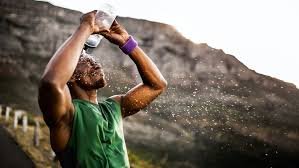
Proper hydration is a cornerstone of athletic performance, recovery, and overall health. For runners and athletes, water is not just a basic requirement; it is a critical factor that influences endurance, strength, mental focus, and injury prevention. Dehydration can reduce performance, increase fatigue, impair cognitive function, and even lead to serious medical conditions such as heat exhaustion or heat stroke. Therefore, understanding the best hydration strategies is essential for anyone involved in regular physical activity. Athletes who prioritize hydration experience improved training efficiency, faster recovery, and better consistency in performance.
Hydration is more than simply drinking water when you feel thirsty. The timing, type, and amount of fluids consumed, along with electrolyte balance, play significant roles in maintaining optimal body function. Running, cycling, swimming, or strength training each have unique demands, and hydration strategies must be adapted to the type, duration, and intensity of exercise. Additionally, environmental factors such as temperature, humidity, and altitude can drastically affect fluid needs. By developing a structured approach to hydration, athletes can prevent dehydration, enhance endurance, and maximize their overall performance potential.
Why Hydration Matters for Athletic Performance
Water accounts for approximately 60 percent of the human body and plays a vital role in almost every physiological function. It regulates body temperature, facilitates nutrient transport, lubricates joints, and supports metabolic processes. During exercise, the body loses fluids primarily through sweat. When fluid loss exceeds fluid intake, dehydration occurs, leading to reduced blood volume, increased heart rate, and impaired oxygen delivery to working muscles. Even mild dehydration of 2 percent of body weight can significantly impact performance, causing fatigue, decreased endurance, and slower reaction times.
Athletes who fail to maintain adequate hydration may also experience a higher risk of cramps, dizziness, and heat-related illnesses. On the other hand, proper hydration improves cardiovascular function, maintains electrolyte balance, and enhances thermoregulation. It ensures that muscles receive oxygen efficiently and waste products such as lactic acid are removed effectively. Proper hydration is not only about immediate performance but also about long-term recovery, as it aids in muscle repair, reduces soreness, and supports joint health.
Understanding Fluid Requirements
Hydration needs vary widely depending on the individual, the type of activity, and environmental conditions. While the general recommendation is to drink at least eight 8-ounce glasses of water per day, athletes often require more due to fluid loss during exercise. A useful method for estimating individual needs is to monitor body weight before and after training. For every pound lost during a session, roughly 16 to 24 ounces of fluid should be consumed to restore proper hydration.
Electrolyte balance is another critical factor. Sodium, potassium, calcium, and magnesium are lost through sweat and must be replenished to maintain muscle function and prevent cramping. Sports drinks containing electrolytes are especially useful during prolonged, high-intensity exercise or in hot and humid environments. Athletes should also consider the timing of fluid intake, ensuring that they are well-hydrated before activity begins, maintain fluid levels during exercise, and continue hydration in the recovery phase.
Pre-Workout Hydration Strategies
Hydration begins long before the first step or lift. Proper pre-workout hydration ensures that the body starts exercise with optimal fluid levels. Drinking water steadily in the hours leading up to training or competition is more effective than consuming large quantities at the last minute. For runners and endurance athletes, consuming approximately 16 to 20 ounces of water two hours before exercise allows for adequate absorption and minimizes the need for bathroom breaks during activity.
Electrolyte-rich fluids or lightly salted foods can also be incorporated if a workout is expected to be intense or performed in high temperatures. Pre-workout meals and snacks containing fruits, vegetables, and whole grains contribute additional water content and essential minerals. Monitoring urine color is a simple and practical method to gauge hydration status; pale yellow indicates adequate hydration, while dark yellow signals the need for additional fluids. Proper pre-workout hydration reduces fatigue, delays the onset of dehydration, and primes the body for sustained performance.
Hydration During Exercise
Hydrating during exercise is critical, particularly for workouts lasting longer than an hour. Fluid intake should be consistent and adapted to the intensity and environmental conditions. For most endurance activities, consuming 6 to 12 ounces of water every 15 to 20 minutes helps maintain fluid balance and prevent dehydration. In hot or humid conditions, the body loses more fluids through sweat, requiring increased fluid intake to compensate for losses.
Electrolytes play a significant role during extended exercise. Sodium and potassium help regulate fluid balance and prevent muscle cramps. Sports drinks, electrolyte tablets, or homemade solutions containing water, salt, and natural sugar can help replenish these vital minerals. For shorter or low-intensity workouts, water alone is usually sufficient. However, for marathons, long-distance cycling, or high-intensity interval training, combining water with electrolytes is essential to sustain performance and avoid dangerous imbalances.
Monitoring hydration during exercise also involves listening to your body. Thirst is an important cue but should not be the sole indicator, as it often lags behind actual fluid loss. Symptoms such as dry mouth, dizziness, or unusual fatigue signal the need for immediate hydration. Maintaining steady fluid intake ensures optimal thermoregulation, supports cardiovascular function, and enhances endurance.
Post-Workout Hydration and Recovery
Hydration does not end when exercise is over. Post-workout fluids are essential for recovery, replenishing lost fluids, and restoring electrolyte balance. Drinking water gradually over several hours after activity is recommended, along with consuming nutrient-rich meals containing fruits, vegetables, and lean proteins. These foods provide additional water content and support muscle repair, glycogen replenishment, and overall recovery.
Measuring post-exercise body weight helps determine the amount of fluid lost and guide rehydration. Sports drinks may be beneficial for athletes who have sweated heavily or trained for extended periods. Including potassium-rich foods such as bananas, leafy greens, or avocados, along with sodium-containing foods like soups or broths, helps restore electrolyte balance. Proper post-workout hydration reduces soreness, supports immune function, and prepares the body for subsequent training sessions.
Hydration for Different Types of Athletes
Hydration strategies vary depending on the type of athletic activity. Endurance athletes, such as marathon runners or long-distance cyclists, require consistent fluid intake before, during, and after exercise, often combined with electrolytes. Strength athletes, while sweating less extensively, still require proper hydration to support muscle function, prevent cramping, and enhance energy availability. Team sport athletes face intermittent activity patterns and must maintain hydration throughout games and practice sessions to sustain performance and cognitive focus.
Environmental factors, including heat, humidity, and altitude, influence hydration requirements. Training in hot or humid conditions increases sweat rates, while high-altitude environments accelerate fluid loss through increased respiration. Athletes should adjust fluid intake accordingly, prioritizing water and electrolyte replacement to prevent dehydration and performance decline. Individual factors such as body weight, fitness level, and sweat composition also play a role in determining hydration strategies.